
Trekking in winter is a truly special experience — the calmness of snow-covered trails, the crisp mountain air, and the beauty of nature in its quietest form. But this serene landscape can also be unforgiving if you’re not prepared. To make your winter trek safe and memorable, here are eight expert-backed tips to help you handle the chill with confidence.
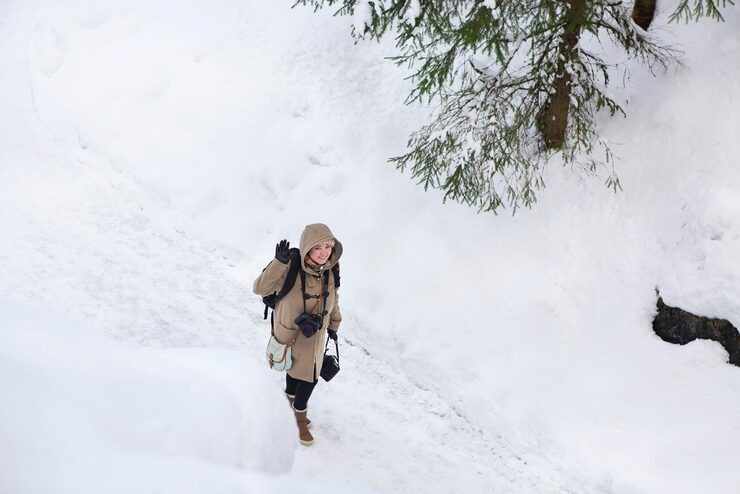
1. Dress in Layers, Not in Bulk
Keeping warm doesn’t mean piling on heavy clothes. The key is layering smartly:
A base layer to wick away sweat,
A mid-layer to trap body heat, and
A shell layer to block wind, rain, or snow.
With this setup, you can easily adjust your clothing depending on how cold or active you feel.
2. Eat Well and Keep Drinking
Cold weather makes your body burn more energy. Carry compact, calorie-rich snacks such as nuts, granola bars, or chocolate. Even though you may not feel thirsty, it’s crucial to stay hydrated — sip water or warm fluids frequently to keep your energy levels steady.
3. Protect Your Skin and Face
The combination of cold air and reflected sunlight can harm your skin. Apply sunscreen and lip balm with SPF, and wear a buff or scarf to protect against windburn. Taking small steps to protect your skin goes a long way on long treks.
4. Choose Quality Footwear
Your feet take the brunt of every step. Opt for insulated, waterproof boots that provide warmth and grip. For snowy or icy trails, pack microspikes or crampons to ensure traction and reduce the risk of slipping.
5. Watch the Weather
Always check weather reports before heading out. Mountain weather can change quickly, so be flexible and ready to alter your route if needed. Download offline maps or navigation tools to help if network coverage disappears.
6. Carry Safety Essentials
Preparation can make a big difference. Pack a first-aid kit, flashlight, whistle, and multitool. Always inform a friend or family member about your trekking plan and return time. These precautions ensure someone can help if an emergency arises.
7. Move Steadily on Snow
Walking on snow requires patience. Take shorter steps, use trekking poles for balance, and avoid sudden movements. On icy paths, step gently and keep your weight evenly distributed — slow and steady truly wins here.
8. Keep Electronics Warm
Cold temperatures drain batteries faster than you think. Keep your phone, camera, and power bank close to your body. Carry spare batteries if possible — you’ll be glad when you can still capture those perfect snowy views.
Final Thoughts
A winter trek isn’t just about reaching the summit — it’s about embracing the experience safely and comfortably. Dress smart, stay nourished, and respect the rhythm of nature. With thoughtful preparation, you’ll find that winter trekking is one of the most rewarding outdoor adventures you can have.
Explore Reccy’s collection of winter trekking apparel — built to keep you warm, dry, and ready to take on every trail in style.






Write a comment ...