
Trekking is not just walking on mountains—it is a rhythm of movement, weather, terrain, and endurance. The right trekking pants are not just clothing; they become part of your journey. Whether you are climbing rocky paths, crossing forests, or walking long alpine routes, your pants decide how comfortable and protected you feel.
Just like a skier prepares for snow and cold winds, a trekker prepares for changing terrain and unpredictable conditions. Trekking pants are designed with that same spirit—functional, durable, and ready for adventure.
Why Trekking Pants Matter on the Trail
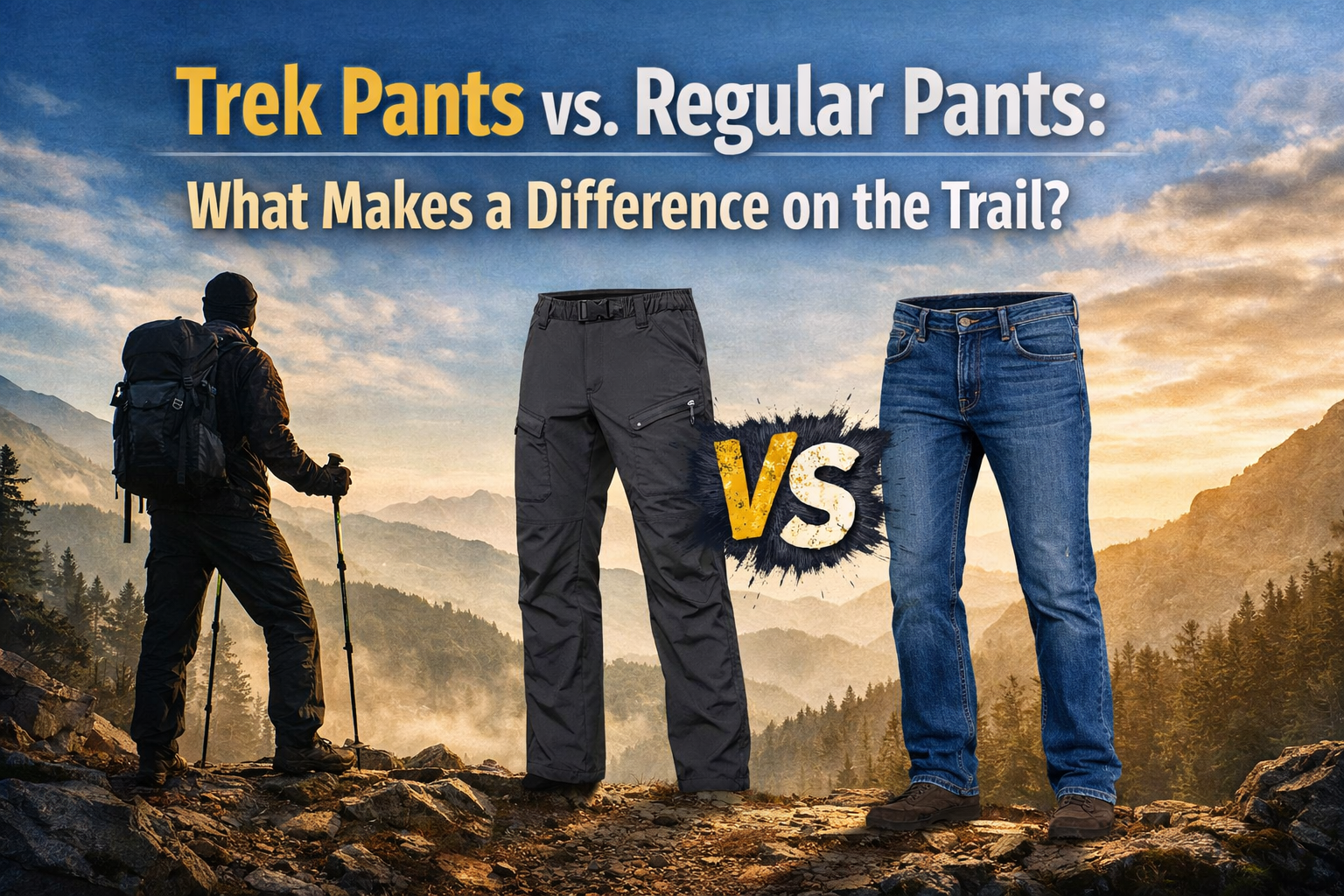
A good trekking experience is often shaped by small details. Pants that are too heavy can slow you down, while fabric that traps heat can make climbs exhausting. Trekking pants are designed to balance breathability, flexibility, and durability so your movement stays natural.
On uneven trails, you are constantly bending, stretching, and stepping over rocks. Regular trousers don’t support this motion, but trekking pants are built with stretch panels and ergonomic cuts that follow your body’s movement instead of resisting it.
Fabric: The Core of Performance
The heart of any trekking pant is its fabric. Most high-performance pants use synthetic blends like nylon and polyester because they are strong, light, and quick-drying.
Nylon is known for durability and abrasion resistance
Polyester dries quickly and performs well in varied weather
Spandex/Elastane adds stretch for movement flexibility
These materials also help in moisture control, keeping sweat away from the skin during long climbs.
In simple terms, good trekking pants don’t just cover your legs—they adapt to your activity level and environment.
Fit and Movement: Freedom on Every Step
Fit plays a major role in trekking comfort. Pants come in different styles like slim, straight, or relaxed, but the purpose remains the same—free movement without restriction.
A well-designed trekking pant includes:
Gusseted crotch for wider leg movement
Articulated knees for climbing and bending
Adjustable waistbands for long-hour comfort
These design elements ensure that even steep ascents or downhill scrambles feel natural and less tiring.
Weather Readiness: Be Prepared for Anything
Mountains are unpredictable. A sunny trail can turn windy or rainy within minutes. Trekking pants are designed to handle these changes with features like:
Water-resistant coating (DWR finish)
Quick-dry fabric for rain or stream crossings
Wind resistance for exposed ridges
UV protection for high-altitude sun exposure
This makes them reliable for multi-day treks where conditions change constantly.
Functionality: Small Features, Big Impact
What makes trekking pants truly practical are the small details that you only appreciate on the trail.
Zippered pockets to secure essentials
Ventilation zips for heat control
Reinforced knees and seat areas for durability
Adjustable cuffs to block dust and debris
These features may seem minor, but during long hikes they make a huge difference in comfort and efficiency.
Comfort vs Durability: Finding the Balance
Every trekker faces the same question—should I choose comfort or toughness? Modern trekking pants solve this by combining both.
Lightweight fabrics improve comfort during long walks, while reinforced stitching ensures the pants last through rough use. Midweight options are often considered the best balance for most trekking conditions.
So instead of choosing extremes, trekkers today look for versatile pants that perform across seasons.
How to Choose the Right Trekking Pants
Before buying trekking pants, think about your travel style:
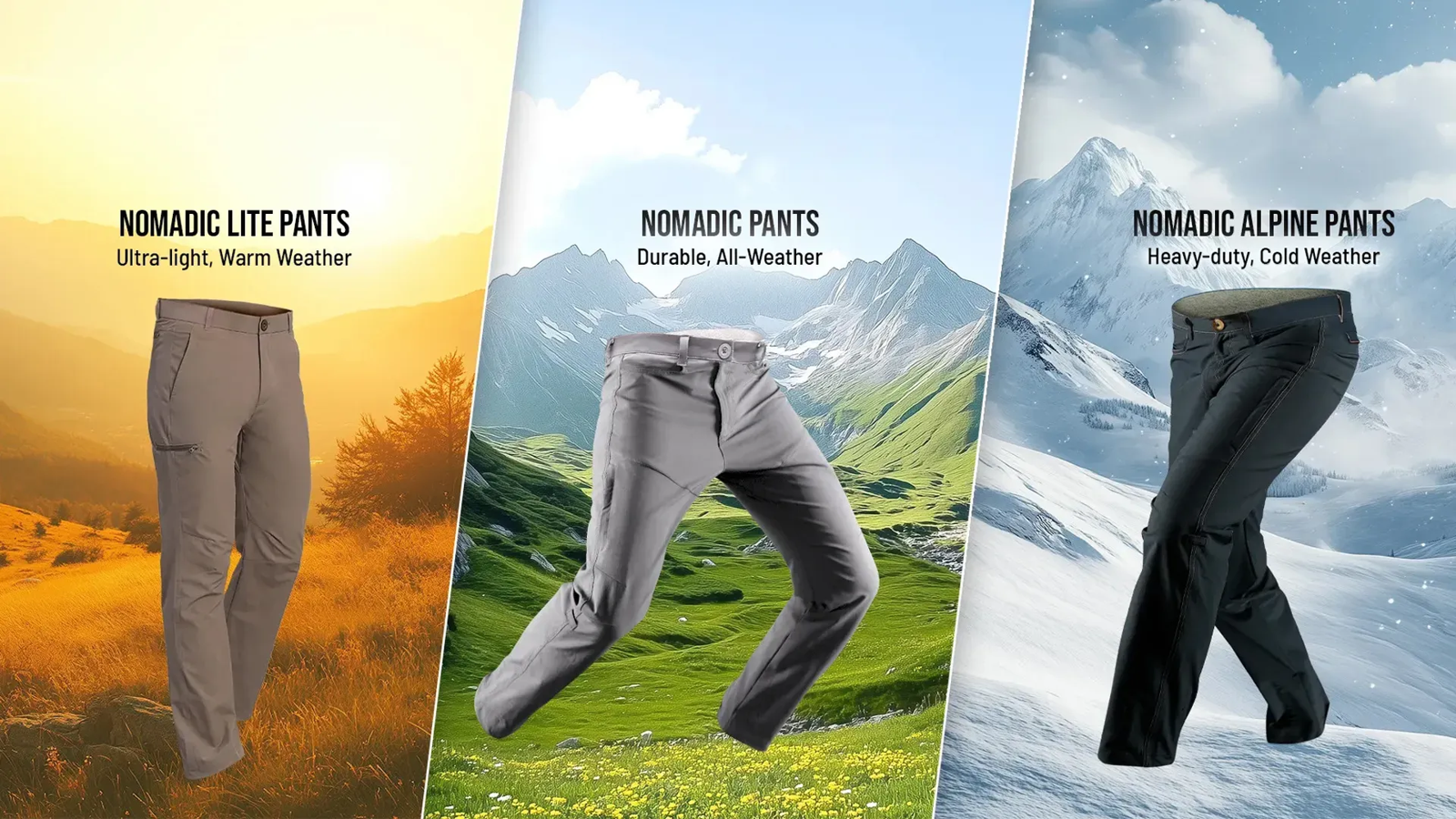
Short hikes → lightweight, breathable pants
Multi-day treks → durable, quick-dry fabrics
High-altitude trekking → windproof and insulated layers
Summer trekking → ventilated and UV-protected pants
Matching your pants with terrain and climate ensures better comfort and performance throughout the journey.
Final Thoughts: Gear That Moves With You
Trekking is about movement, discovery, and endurance. The right pants don’t just support your journey—they enhance it. They protect you from harsh weather, support your movement on rough trails, and keep you comfortable when the journey gets long.
Like every great outdoor experience, success lies in preparation. And in trekking, preparation begins with what you wear on your legs.
Good trekking pants are not just gear—they are silent partners on every climb, descent, and endless trail ahead.




Write a comment ...