
When planning a trek or outdoor adventure, most people focus on shoes, backpacks, and jackets—but pants often get overlooked. Many first-time trekkers wonder: Can I just wear my regular pants, or do I really need trek pants?
The short answer: yes, there’s a big difference—and it matters more than you think once you’re on the trail.
In this blog, we break down trek pants vs. regular pants, explain what sets them apart, and help you decide which is right for your next adventure.
1. Fabric & Material: Built for Movement vs. Everyday Wear
Trek Pants
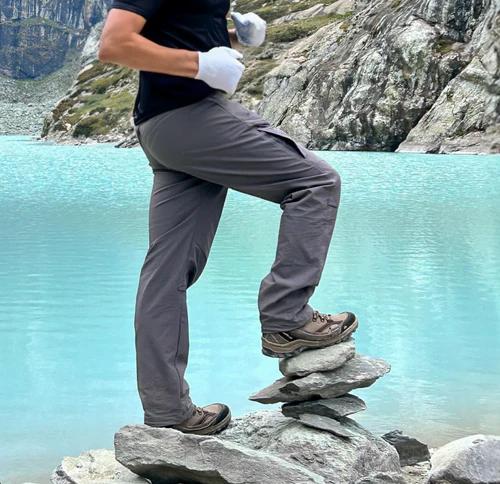
Trek pants are made using technical fabrics like nylon blends, polyester, or elastane. These materials are designed to:
Stretch with your movements
Dry quickly
Resist tearing from rocks, branches, and rough terrain
They are lightweight yet durable—perfect for long hours of walking, climbing, or descending.
Regular Pants
Most regular pants (jeans, chinos, cotton trousers) are made for daily wear. While comfortable in casual settings, they:
Absorb moisture easily
Dry slowly
Feel heavy once wet
Restrict movement during climbs or steep hikes
On the trail: Fabric performance can be the difference between comfort and constant discomfort.
2. Comfort & Mobility: Freedom vs. Restriction
Trek Pants
Trek pants are designed with:
Articulated knees
Stretch panels
Ergonomic cuts
This allows full range of motion, whether you’re stepping over rocks, climbing inclines, or navigating uneven paths.
Regular Pants
Regular pants are stitched for standing, sitting, or office movement—not for trekking. On long hikes, they can:
Pull at the knees
Feel tight when stepping high
Cause chafing over time
On the trail: Mobility equals less fatigue and fewer distractions.
3. Weather Performance: Trail-Ready vs. Weather-Sensitive
Trek Pants
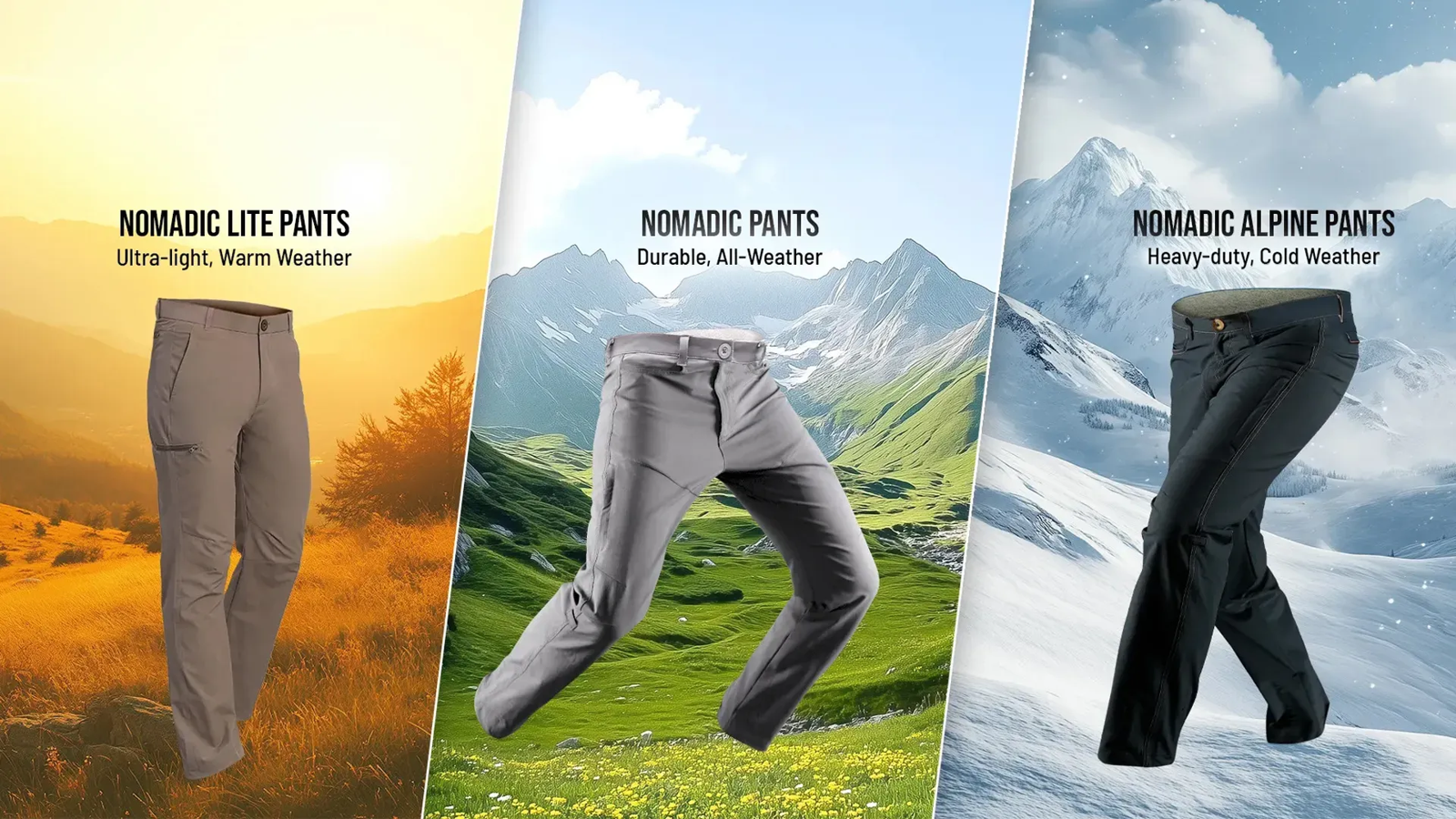
Trek pants are made to handle changing conditions:
Quick-dry for sweat or rain
Breathable for hot weather
Wind-resistant for high altitudes
Some even offer water resistance or UV protection
Regular Pants
Cotton and denim pants struggle outdoors:
Stay wet after rain
Feel cold in wind
Trap heat during summer treks
On the trail: Weather can change fast—your pants should keep up.
4. Durability: Designed for Abuse vs. Daily Use
Trek Pants
Trek pants are tested for rugged environments. They resist:
Abrasion from rocks
Tears from bushes
Wear from repeated movement
This makes them a long-term investment for frequent trekkers.
Regular Pants
Regular pants wear out faster when exposed to:
Rough surfaces
Dirt and moisture
Continuous friction
On the trail: Durability saves money—and frustration.
5. Practical Features: Purpose-Built vs. Basic
Trek Pants
Trek pants usually include:
Multiple zippered pockets
Secure storage for phone, wallet, or map
Adjustable waistbands
Reinforced stitching
These features are designed with real trekking needs in mind.
Regular Pants
Regular pants offer basic pockets with limited security—fine for cities, not ideal for trails.
On the trail: Functionality matters when you’re moving for hours.
6. Weight & Packability: Lightweight vs. Bulky
Trek Pants
Trek pants are lightweight and easy to pack, making them ideal for:
Multi-day treks
Backpacking trips
Travel adventures
Regular Pants
Jeans and cotton pants are bulky and heavy, especially when wet.
On the trail: Less weight = more energy.
Why Choose Reccy Trek Pants?
At Reccy, trek pants are designed specifically for Indian terrains, weather conditions, and trekking styles. Our pants combine:
Lightweight, durable fabrics
Comfortable, flexible fits
Practical outdoor-ready features
Whether you’re exploring forest trails, rocky paths, or mountain routes, Reccy trek pants help you focus on the adventure—not your clothing.





Write a comment ...