
For many people, winter trekking feels intimidating before it even begins. Snow, cold winds, and freezing temperatures often sound more like obstacles than adventures. But most of these fears are built on myths rather than real challenges. When approached correctly, winter trekking can be peaceful, scenic, and deeply rewarding. Let’s separate fact from fiction.
Myth 1: Winter Treks Are Only for Hardcore Trekkers
It’s easy to assume that snow-covered trails are meant only for seasoned mountaineers. In reality, many winter treks are designed for beginners and first-timers. With guided routes, manageable distances, and proper preparation, winter trekking is accessible to anyone willing to learn. Choosing the right trek pants and layering correctly can instantly boost comfort and confidence.
Myth 2: Thick Cotton Clothes Are Enough
Warmth alone isn’t the goal—dryness is just as important. Cotton absorbs sweat and stays damp, which can make you feel colder as temperatures drop. A moisture-wicking base layer helps regulate body temperature by keeping sweat away from your skin, while insulated layers trap heat efficiently.
Myth 3: Physical Fitness Isn’t a Priority in Winter
Snow adds resistance to every step. Walking on icy or uneven terrain requires balance, leg strength, and stamina. Even light fitness preparation—like walking, cycling, or stair climbing—can make winter treks far more enjoyable.
Myth 4: Dehydration Doesn’t Happen in Cold Weather
Cold air reduces your sense of thirst, but your body continues to lose fluids through breathing and movement. Not drinking enough water can lead to fatigue, headaches, and reduced performance on the trail.
Myth 5: Snowy Landscapes Get Boring Quickly
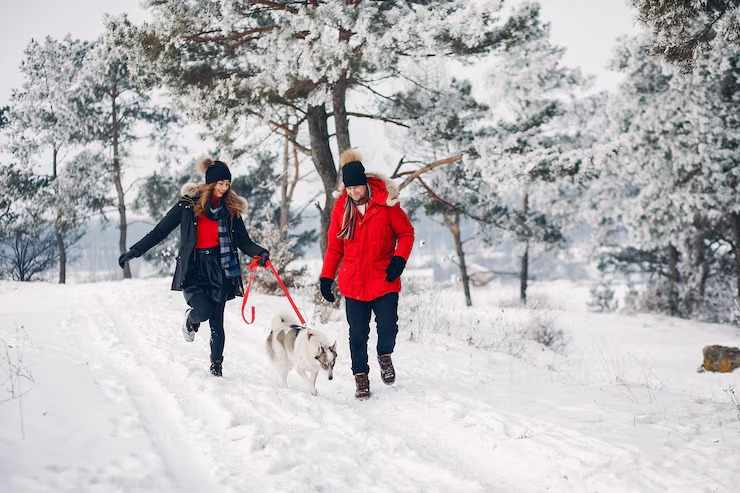
Winter transforms familiar trails into entirely new experiences. Snow-covered trees, frozen streams, and open white meadows create a calm and visually striking environment that many trekkers find more captivating than summer trails.
Myth 6: Sun Protection Isn’t Necessary in Winter
Snow reflects sunlight, increasing UV exposure. This can lead to sunburn and eye strain if you’re not protected. Sunscreen and UV-blocking sunglasses are essential winter trekking accessories, even on cloudy days.
Myth 7: Alcohol Helps You Stay Warm
Alcohol may create a temporary warming sensation, but it actually lowers your core body temperature and affects coordination. In cold environments, this increases the risk of hypothermia and accidents.
Myth 8: Water Sources Are Completely Frozen
While some streams freeze on the surface, many continue to flow underneath. Local guides often know where to safely access drinking water even during harsh winter conditions.
Myth 9: Snow Makes Falling Safe
Snow may look soft, but it often hides ice and rocks underneath. Slips can lead to serious injuries. Proper footwear, trekking poles, and controlled pacing are essential for maintaining stability.
Myth 10: Cold-Tolerant People Don’t Need Layering
Mountain weather changes quickly. Even if you’re comfortable in cold temperatures, proper layering is crucial. A reliable base layer paired with durable trek pants helps maintain warmth without restricting movement.
Final Thoughts
Winter trekking doesn’t require superhuman endurance—just smart preparation and realistic expectations. Once you move past the myths and gear up correctly, winter trails reveal a quieter, more immersive side of the outdoors.
Dress smart, respect the conditions, and let winter show you a different kind of adventure.





Write a comment ...